


Munzee
3.4272.00 Reviews
App Specs
- Version
- 4.1.252
- Updated On
- License
- Free
- Downloads
- 100,000+
- Developer
- Freeze Tag Games
- Categories
- Adventure
- Platform
- Android
Screenshots
 Analysis by AppCompare
For me, the most interesting thing about a scavenger hunt is how it changes a familiar place: a routine walk suddenly has a small reason to take a different turn. Munzee brings that idea to a phone, asking players to find and scan QR codes out in the world. It can work as a shared outing, but it is worth understanding how the game fits around a household’s devices, time and expectations before making it a regular activity.
A shared outing, not a reason to rush
A realistic way to try it is to open the map before a weekend walk, choose a nearby area that already suits your plans, and let the hunt become a side activity. One person can keep an eye on the map while others help spot places to check. That gives children or less tech-focused companions a role without turning the whole trip into a phone-focused search.
The practical appeal is that a capture gives a walk a clear little objective. It may help a family explore a park or give friends a reason to wander beyond their usual route. I would treat the game as a prompt rather than a destination planner, though: choose a safe, convenient outing first, and only pursue a code when doing so makes sense. A map marker is not a reason to cross a busy road, enter private property or interrupt someone’s day.
That distinction also helps when the group has different interests. Someone who enjoys collecting can focus on finding codes, while another person can enjoy the walk and join in when a scan is nearby. If the hunt starts to dominate the outing, agree on a stopping point before setting off. That keeps the shared experience enjoyable even if the group finds fewer captures than expected.
Accounts and devices need clear boundaries
Because captures are tied to using the app, I would decide in advance whose account is being used when a phone is shared. A parent’s account and a child’s activity are not automatically the same thing, so it is sensible to keep expectations clear: who is signed in, who is making a capture, and whether the phone is being handed over for a turn. I would not assume that one shared device creates separate personal progress.
For a household with one suitable phone, taking turns can be enough for a casual outing. It is less convenient if everyone wants to follow their own progress at the same time. In that case, each person should use their own device and account only if that suits the family’s arrangements. The key trade-off is simple: sharing reduces the number of devices in use, while separate use makes individual participation easier to keep distinct.
Before heading out, I would also check that the phone is ready for a walk: enough battery, a usable mobile connection where needed, and a plan for what to do if the map or scan does not work as expected. These are ordinary precautions rather than special game tricks, but they prevent the familiar frustration of a group standing around while one phone is being troubleshot. If the device is needed for navigation or staying in contact, keep that job ahead of the game.
Worth Reading Before You Choose

EA SPORTS FC Mobile 26 Is a Bigger Football Game, but It Takes Time

Flipboard Shows What News Apps Must Do Beyond the Feed

Switching to Android Auto Means Rethinking Your Driving Routine

Google Calendar Makes a Crowded Week Easier to Manage

Ludo King Makes the Most of the Minutes Between Plans

Baby Panda World Brings Quick Play to Modern Phones, but Its Game Library Feels Busy
Coordinating without turning it into a contest
Munzee has a community and competitive side, but a household does not need to treat every outing as a race. I find it more useful to give each person a simple role: one can watch the map, another can look around safely, and a third can decide when it is time to move on. On a solo trip, checking the map before walking and then putting the phone away between stops is a more comfortable rhythm than staring at it continuously.
There is a small strategic choice in deciding whether to chase what is nearby or deploy your own QR codes for other players. Finding codes is the direct option when you want a short activity; placing your own is better suited to someone who likes contributing to a shared game and is willing to think about where a code can be found conveniently. In either case, consider other people using the location. A good hunt should not depend on hiding something where it could cause confusion, inconvenience or unsafe searching.
For friends or relatives meeting in a busy area, agree on a clear meeting point and a time to regroup before anyone starts following the map. That is especially useful if the group separates briefly or the phone signal is unreliable. The game can provide a shared thread for exploring, but it should not be the only way the group coordinates.
Age, trust and sensible expectations
The game is rated for Everyone, which makes its basic premise approachable for a broad audience, but an age label does not replace an adult’s judgement about outdoor independence, phone access or online interaction. I would start younger players with an adult beside them, explain that the device stays with the group, and make it clear that a map target never takes priority over traffic, boundaries or common sense.
Its community element is part of the appeal, yet I would set ordinary online-safety expectations just as I would for any app that connects players. A child should know not to share personal details or arrange to meet someone they do not know. For a family outing, keeping the activity centered on the people already together is a straightforward way to enjoy the hunt without making community interaction the focus.
It is also worth agreeing on how much screen time feels right. The game encourages walking, but locating and scanning codes still involves a phone. A useful household rule might be to check the map at planned moments, then look up and enjoy the surroundings while moving. That balance is more important than trying to capture every marker on a route.
Discovering the World of Munzee
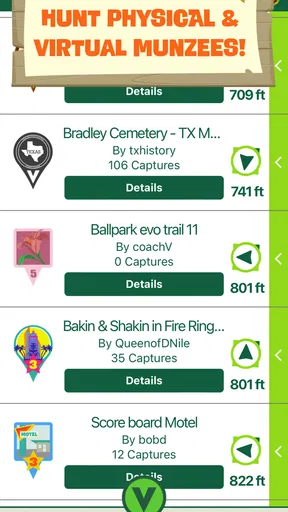
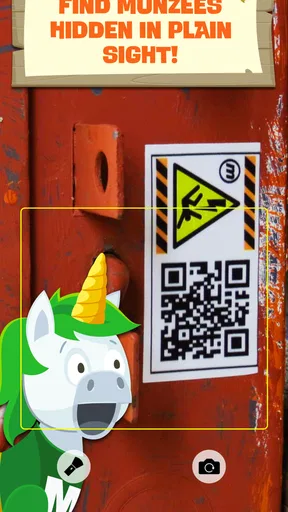
The first time I opened the app, the interface was like a welcoming map to a new world. The idea is simple: players, known as "Munzers," use their smartphones to scan and capture QR codes placed in various locations worldwide. These QR codes, or "Munzees," could be virtually anywhere – from your local park to the bustling downtown area. The app is available on both Android and iOS, making it easily accessible to anyone with a smartphone.
Getting Started
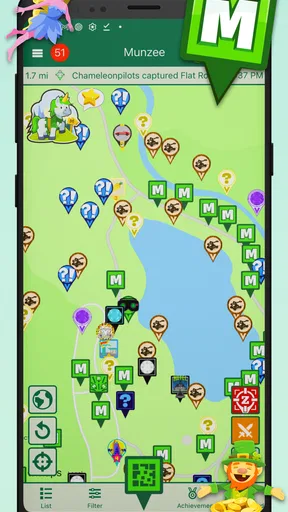
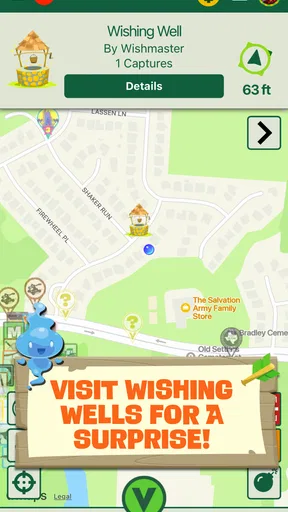
Starting your journey with Munzee is straightforward. Once you download the app, you’ll need to create an account. Don’t worry; the process is as smooth as butter. After logging in, you’re greeted with a map that shows nearby Munzees, just waiting for you to capture them. The app’s user-friendly design ensures that even if you’re not the most tech-savvy, you’ll still have a blast.
One of the first things I noticed was the vibrant community. The app encourages you to connect with other players, share your experiences, and even engage in friendly competitions. It’s like joining a global club where everyone is on a mission to discover hidden treasures.
The Thrill of the Hunt
The real fun begins once you head out to capture your first Munzee. The app uses GPS to guide you to the location. I remember my first capture, feeling like a modern explorer. Every successful capture earns you points, and trust me, seeing your score rise is oddly satisfying. It’s not just about capturing Munzees, though. You can deploy your own QR codes for others to find, adding a layer of creativity to the game.
Munzee also offers various types of Munzees, each with unique features and challenges. From virtual Munzees to physical ones, each type offers different point values and achievements. The diversity keeps the game fresh and engaging, ensuring there’s always something new to discover.
Features That Stand Out
There are a few features that make Munzee particularly exciting. Firstly, the integration of augmented reality is seamless and adds an extra layer of excitement. Picture this: you’re walking down a street, and through your phone, you see a virtual Munzee hovering just waiting for you to capture it. It’s moments like these that make the game feel magical.
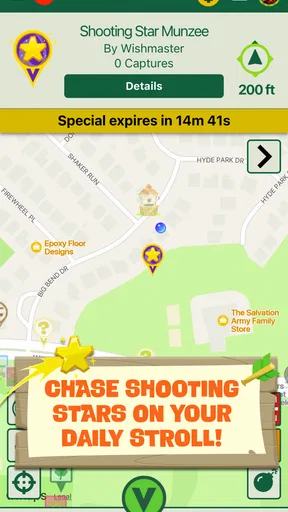
Another fantastic feature is the variety of special events and challenges. The Munzee team regularly updates the app with seasonal events, global competitions, and special missions. It keeps players on their toes and ensures there’s always a reason to open the app and start exploring.
Why You Should Try Munzee
So, why should you give Munzee a shot? For starters, it’s a fantastic way to get outside and explore your surroundings. Whether you’re in your hometown or travelling, Munzee transforms your environment into a playground. It’s also a great way to meet new people and become part of a global community that shares your love for adventure.
Plus, it’s an excellent family activity. Kids will love the thrill of the hunt, and adults will appreciate the strategic elements and the chance to engage with a community of like-minded adventurers.
Munzee is more than just a game; it’s a lifestyle that encourages exploration, connection, and a healthy dose of competition.
Final Thoughts
In a world where digital entertainment often means sitting indoors, Munzee stands out by encouraging us to step outside and rediscover our surroundings. It’s the perfect blend of technology and adventure, making every day a new opportunity for exploration.
If you haven’t tried Munzee yet, do yourself a favor and download it today. Who knows? You might just find your new favorite hobby. Happy hunting!
How it compares with other outdoor games
Compared with a conventional geocaching outing, Munzee makes the QR scan itself central to the activity. That gives the hunt a quick, phone-based rhythm: find a target, scan it, and move on. A traditional treasure hunt may offer more physical searching or a route prepared for a particular group, while a location-based walking game can be easier for people who want to keep moving rather than stop for clues. Which style feels better depends on whether you enjoy collecting digital captures or solving a more planned puzzle.
It is also different from an ordinary map app, because the point is not simply to reach a destination. The codes and community give each walk a game layer, but that layer may not suit someone who wants a quiet stroll without checking a screen. If you mainly want navigation, use a navigation app; if you want a structured escape-room-style challenge, choose a game built around puzzles. I would pick Munzee when spontaneous outdoor discovery is the point.
Who will enjoy it, and where it can frustrate
I think it is best for curious walkers, travellers who like adding a small activity to a day out, and players who enjoy collecting, community participation or friendly competition. It can also give a familiar neighborhood a fresh angle, especially when you have only a short window and want a simple reason to explore on foot. The adventure-game format is easy to understand, and Freeze Tag Games has built the experience around real-world movement rather than a long session at home.
It is a weaker fit for anyone who dislikes using a phone outdoors, expects a carefully directed story, or needs every stop to be accessible and predictable. A map can make a hunt feel inviting, but the actual enjoyment depends on the location, the group’s pace and whether the search feels worthwhile that day. Some outings may involve more walking or checking than the eventual capture seems to justify. I would keep a flexible route and be ready to skip a target rather than let the app dictate the day.
The game is free to start, with optional in-app purchases listed from $0.99 to $99.99 per item. I would treat those purchases as optional rather than necessary to enjoy a first walk: try the basic loop, see whether scanning and exploring suit you, and only then decide whether spending fits your habits. The broad price range is a reason to be deliberate, particularly if a child can use the device. Agree on purchase expectations beforehand instead of relying on a shared phone to make those boundaries obvious.
What the rating and version mean for a new player
Munzee is an adventure game from Freeze Tag Games, released on January 31, 2019. Its average rating is 3.2 from around 1.3 thousand ratings, alongside 271 written reviews, and it has over 100 thousand installs. I read that as a sign of a game with an established audience but mixed reactions, not as a guarantee that every local hunt will be equally active or smooth. The current version is 4.1.252, and it requires Android 5.1 or later. It is free to download and rated Everyone.
For a first session, I would keep the test modest: check the nearby map, choose a place you already know, and see whether the process of locating and scanning a code feels satisfying. That quickly answers the practical question many newcomers have: does it work as a casual walk activity, or will you want more structure than the hunt provides? If the first outing feels too dependent on the phone or too stop-and-start, there is no need to force it into a routine.
A household verdict
My recommendation is to try Munzee as a shared outdoor activity, with clear device and spending boundaries and a willingness to treat missed captures as part of the day rather than a failure. Its best moments come when a scan adds a little surprise to a walk the group already wanted to take. It is not a substitute for adult supervision, a family calendar or a dependable navigation tool, and it may not suit households looking for separate child profiles or a tightly guided quest.
For the right group, though, it offers a distinctive reason to look more closely at familiar surroundings. I would start with one relaxed outing, keep the phone use intentional, and decide afterward whether the mix of QR-code hunting, exploration and community is genuinely fun for everyone involved. That is a better test than judging it by a score or expecting every walk to become an adventure.
Pros
- Innovative AR gameplay experience.
- Wide range of locations to explore.
- Strong community engagement.
- Regular updates and events.
- Encourages outdoor activity.
Cons
- Requires constant internet access.
- Battery drain can be significant.
- Limited offline functionality.
- Some areas lack munzees.
- Can be confusing for beginners.
FAQs for Munzee
What is Munzee, and how does it work?
Munzee is a location-based scavenger hunt game where players use their smartphones to find and capture QR codes called ‘Munzees’ hidden in real-world locations. The app combines elements of geocaching with modern technology, offering a unique and engaging way to explore your surroundings, earn points, and interact with a community of fellow players.
Is Munzee free to use, or are there in-app purchases?
Munzee is free to download and play on both Android and iOS devices. However, it offers in-app purchases and subscription options that provide additional features and benefits, such as access to premium Munzees, more detailed statistics, and enhanced gameplay options. These purchases are optional and are designed to enhance the overall experience.
What are the system requirements for Munzee?
To run Munzee effectively, you need a smartphone with Android version 5.0 or higher, or iOS 11.0 or later. The app requires GPS capabilities and a camera to scan QR codes. A stable internet connection is also essential for loading maps and interacting with the game’s features seamlessly.
How safe is Munzee for children?
Munzee is generally safe for children, but parental supervision is advised. The game encourages outdoor exploration, which can be a fun activity for families. However, it’s important for parents to ensure that children are aware of their surroundings and follow safety guidelines while playing. Additionally, interactions within the app’s community should be monitored.
Can Munzee be played offline?
Munzee requires an internet connection to load maps, update player stats, and interact with the community features. While you can scan QR codes offline, you will need to reconnect to the internet to upload your captures and earn points. For the best experience, a stable connection is recommended during gameplay.


